
Making the Most of a Composite Class: Supportive Tips for Families

Is your child in a composite class?
If you felt uncertain when you saw the class list, that’s understandable.
It’s natural to wonder how it will work for your child.
Will they get the attention they need? Will they make friends easily?
And how does assessment work when two year levels share one room?
Composite classes, sometimes called split classes, are common in Australian primary schools.
While they might feel unfamiliar, when approached thoughtfully they can offer real academic and social benefits.
What Is a Composite Class?
A composite class combines students from two year levels in the same classroom, for example Year 1 and Year 2. This usually happens because of school enrolment numbers.
Rather than squeezing too many students into one classroom, schools balance numbers across two year levels.
The Hidden Strengths of Composite Classes
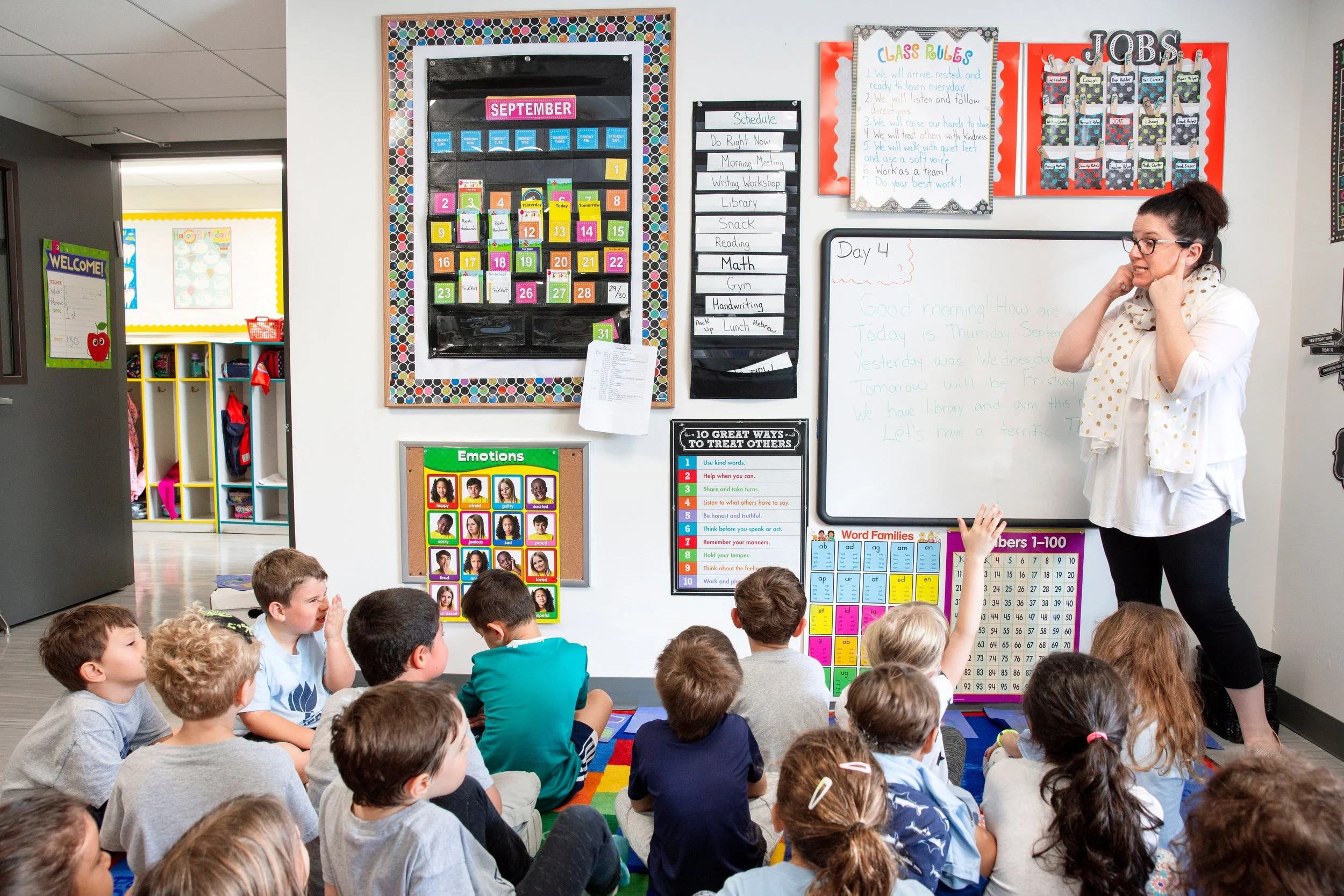
A well managed composite class can actually support confidence and independence.
Learning in a mixed environment can strengthen social skills, adaptability and confidence.
Research from Australia and overseas shows that students in composite or multi‑age classes generally achieve at least as well academically as those in straight year levels, especially when teaching is deliberately tailored to individual needs.
In some large studies, younger pupils in mixed‑year classes even made slightly higher gains in core areas like literacy and numeracy than peers in single‑year classes.
Common Parent Concerns
Why was my child placed in a composite class? What does that mean?
Although class allocation can sometimes feel mysterious, being placed in a composite class does not usually signal anything about your child’s ability, behaviour or social skills. Schools aim to distribute a mix of learners, personalities and support needs across all classes.
How will my child cope socially when they’ve probably never met or engaged with half the class?
Every new class involves social adjustment, even in a straight year level. Teachers deliberately build routines, shared tasks and small group work early in the year so students connect quickly. In many cases, mixed year classes widen friendship circles and strengthen social skills students will use well beyond primary school.
Will my child’s confidence suffer if they are one of the younger students?
Younger students are not expected to perform at the older year level. They are assessed against their own year’s standards. Being surrounded by slightly older peers can lift expectations and language exposure, but academic benchmarks remain age appropriate.

Will my child be held back to the younger students’ level or forced into a ‘teacher’ role?
Students are not taught to the lowest year level in the room. Curriculum expectations and assessment remain specific to each year group. Teachers are responsible for instruction, and each child’s learning goals stay aligned with their own year level standards.
What if the older students bully my child?
Behaviour expectations apply across the whole class. As in any classroom, concerns about peer behaviour should be raised early so they can be addressed promptly.
How does the teacher cover two sets of curriculum properly?
Composite teaching is planned strategically. Many lessons are taught through shared concepts with tasks adjusted by level. Assessment remains year specific, so each child is tracked against their own curriculum outcomes. In many schools, some specific subjects (like reading) are also separated by year level, which supports coverage.
What if my child isn’t challenged enough?
The important question is whether your child is being extended at their level. In any classroom, some students will need deeper or more complex work. If your child is finishing quickly without stretch, losing interest, or telling you the work feels too easy, that’s worth a conversation with their teacher. Ask what extension looks like for them specifically this term and how their progress is being tracked.
What if my child struggles and falls behind?
Students who are falling behind need targeted support regardless of class type. Watch for changes in confidence or avoidance, and talk to their teacher if you have concerns.
For more guidance on next steps, you might like to read our blog post, An Action Plan for Parents: What to Do When Your Child Falls Behind.
How You Can Support Your Child at Home
If your child is struggling to find their rhythm in a composite class, it can help to look closely at what feels difficult for them.
Keep conversations steady and positive. Focus on effort and progress rather than comparison, and encourage growing independence.
If concerns continue, speak with the teacher early and specifically. Clear communication about what you’re noticing at home often leads to practical, manageable support at school.
Adjusting to a Composite Class
Composite classes are simply one way schools organise learning. With clear communication and appropriate support, most children adjust well and continue to make steady progress.
If you’d like to talk through how your child is progressing, we’re here. Book a free consultation and we can make a practical plan that supports both confidence and learning.
Need tailored support for your child? Book your free consultation call today with one of our experienced tutors and find out how one-on-one support can help them thrive.