
6 Everyday Habits That Make a Real Difference For ADHD Families

If your child has ADHD, you've probably discovered that the little routines that seem to come naturally for some children can take a lot more effort for yours.
Getting ready for school. Remembering where their shoes are. Packing library books on library day. Starting homework without feeling overwhelmed.
These everyday tasks can become a source of frustration, not because your child isn't trying, but because ADHD affects skills like planning, organisation, working memory and task initiation.
The good news is that small changes can make a big difference.
Rather than expecting your child to adapt to routines that don't quite fit, it helps to build routines that work with the way they think and learn.
Over time, these everyday habits can reduce stress, build confidence and make family life feel just that little bit easier.
Here are six simple habits that can help set your child up to thrive.
1. Build Tomorrow Before Today Ends
Mornings are often one of the busiest and most stressful parts of the day.
Instead of trying to remember everything in the rush to get out the door, make it a habit to prepare for tomorrow the night before:
pack school bags
pack lunch boxes
fill drink bottles
lay out tomorrow's clothes
check whether it's library day or sports day.
These simple jobs only take a few minutes, but they remove dozens of little decisions from the next morning. Less rushing usually means less stress, for both you and your child.
2. Give Important Things a Permanent, Obvious Home
Children with ADHD often struggle to keep track of belongings because it's harder to remember where things are when they're out of sight.
Rather than relying on reminders, make organisation as easy and as obvious as possible. Try:
creating one dedicated place near the front door where school bags, hats, lunchboxes and library books always live
using clear storage containers instead of opaque boxes so it's easy to see what's inside
adding picture labels or stickers to baskets, drawers or shelves so younger children can quickly see where things belong.
Some families find that open shelving or removing wardrobe doors works best for their children to find what they need and put things away again.
When everything has a permanent, visible home, the environment starts doing some of the remembering for them. That means fewer frantic searches for missing shoes and a little less stress for everyone.
As you're looking around your home, ask yourself one simple question:
Could I make this more obvious, so my child doesn't have to remember it?
3. Protect Your Child's Capacity
School asks a lot of children with ADHD. By the time they get home, they've spent hours concentrating, following instructions, managing distractions and regulating their emotions. Before expecting them to jump into the next task, build some recovery time into the afternoon.
This might be:
a healthy snack and a drink of water
time outside
jumping on the trampoline or riding a bike
twenty minutes to decompress.
Children who have had a chance to recharge are often better able to tackle homework, help around the house and enjoy family time.
4. Make Starting Easy
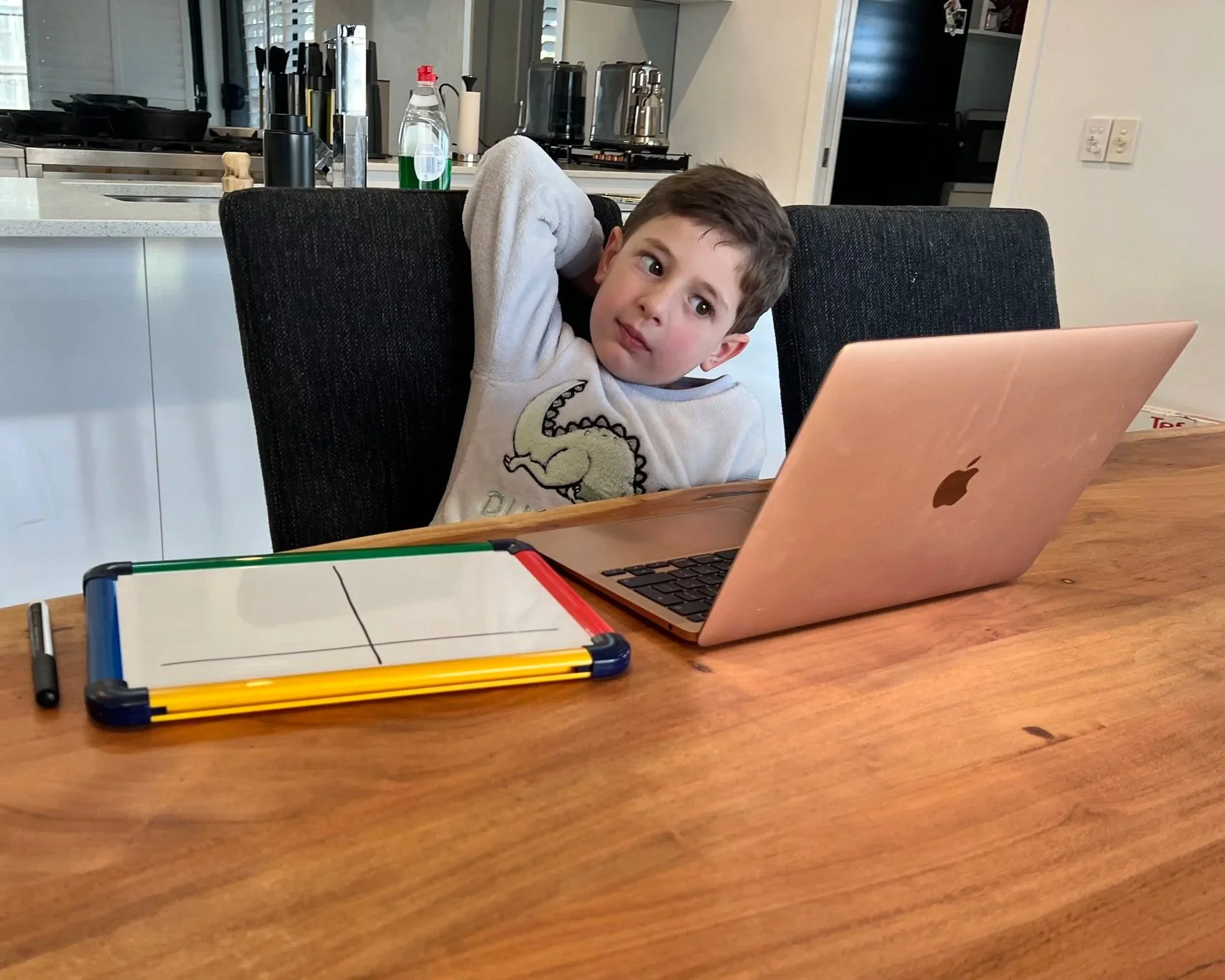
Many children with ADHD know exactly what they need to do. The challenge is getting started.
Whether it's getting dressed, packing up toys, brushing teeth or tidying a bedroom, a task that sounds simple can feel overwhelming before they've even begun.
One of the most effective habits you can build is breaking big jobs into one small first step.
Instead of saying, "Go and get ready for bed," you might say:
"Let's put your pyjamas on first."
"Now let's brush your teeth."
"Next, choose a story."
Rather than asking your child to tidy their room, start with, "Can you put all the books back on the shelf?" or "Let's pick up the Lego together."
Once children get moving on one concrete task, it's often much easier to keep going. Small steps create momentum, and momentum helps even the biggest jobs feel much more manageable.
5. Celebrate Progress Every Day
Children with ADHD often hear a lot about what they've forgotten.
The homework they didn't finish.
The hat they left behind.
The instructions they missed.
Try balancing those corrections by making it a habit to notice what's going well.
"I noticed you remembered your lunchbox today."
"You kept trying even when that maths question was tricky."
"You got started without me asking."
These moments might seem small, but they're helping your child build something incredibly important: confidence.
Over time, children begin to see themselves not as someone who's "always forgetting", but as someone who is making progress.
6. Keep Tweaking Your Routine

No family gets everything right the first time, and what works this year might not work next year.
Every few weeks, take a moment to reflect on your family's routines. Notice the parts of the day that consistently feel stressful and ask yourself whether one small change could make them easier.
Children grow, routines change and new challenges appear. The habits that support your child should be able to grow and change too.
Small improvements, made over time, often have the biggest impact.
It's About Progress, Not Perfection
An ADHD-friendly home doesn't have to look perfect.
There will still be forgotten hats.
Busy mornings.
Homework that takes longer than expected.
The aim is to build everyday habits that make those challenges a little easier to manage.
Start with just one. Choose the part of your day that causes the most stress and make one small change this week.
You don't need to transform your whole household overnight. Small habits, repeated consistently, can make a remarkable difference over time.
At Attain Education, we know that every child learns differently. Book your free consultation call today and let's talk about how personalised tutoring can support your child’s learning needs.