
Preparing for Prep: What to Expect
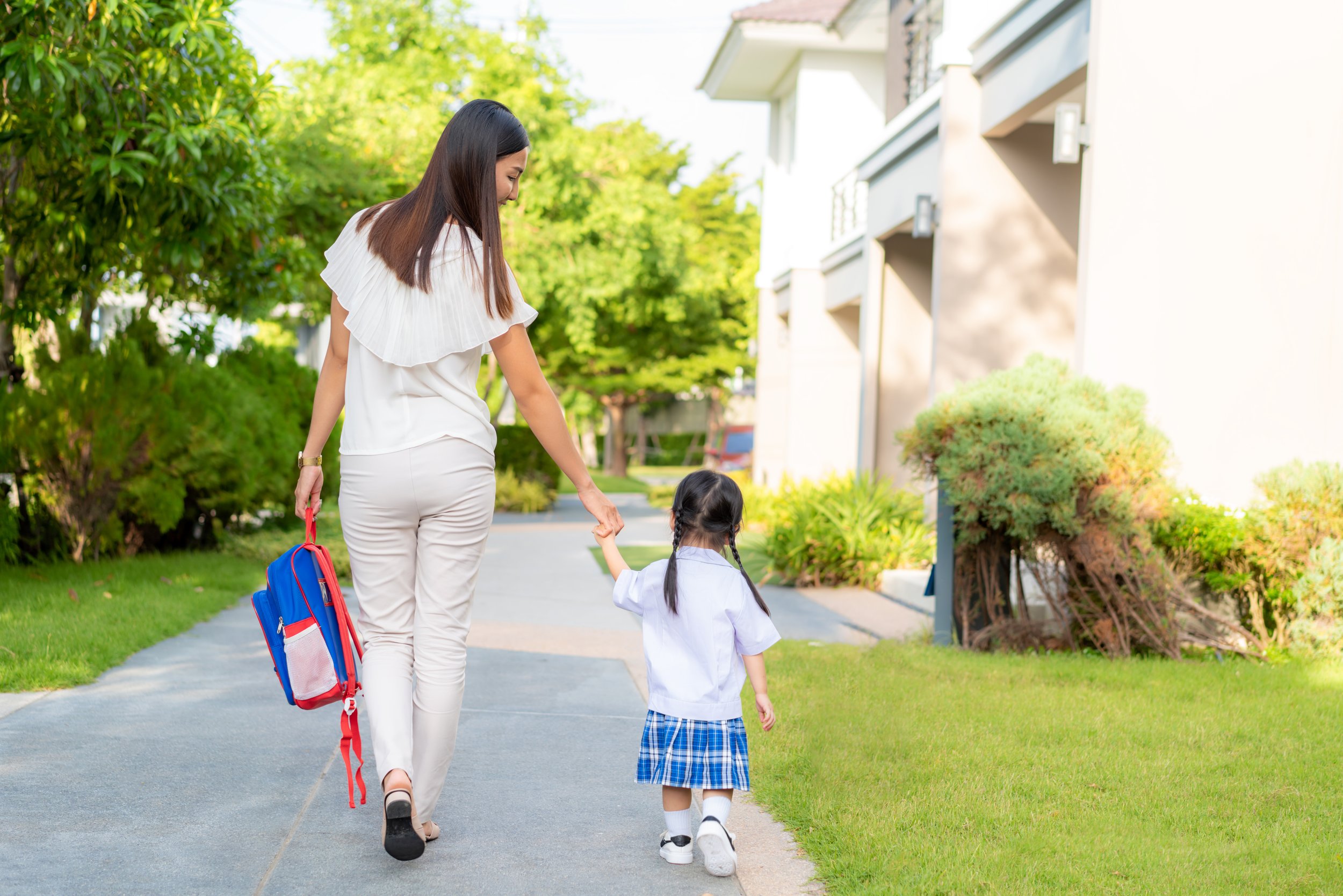
The shift from kindy to Prep is one of those parenting milestones that can sneak up on you.
One day you’re dropping your child at a small, familiar kindy room.
The next, you’re standing at the gate of a primary school, watching them disappear into a much bigger world with a backpack almost as big as they are.
For many parents, the lead-up brings a lot of questions. Is my child ready? Will they cope with the longer days? What if they are behind the other kids?
These are completely normal questions. And the good news is that readiness for Prep looks very different from what most parents expect.
Prep is a transition year, not a performance year. Understanding that from the start makes the whole experience feel calmer for both of you. And there’s a lot families can do in the months before school begins to help that transition feel smooth and predictable.
What Actually Changes Between Kindy and Prep
The shift to Prep is not just about learning new things. It is about adjusting to a new environment altogether.
Days are longer and more structured, and children move from a small, familiar group into a larger classroom where they are expected to manage more of their own routines and belongings. Early literacy and numeracy are introduced more explicitly, but often the biggest change is the level of independence required.
It is completely normal for children to feel tired, unsure or a little wobbly during the first term. That does not mean they were not ready for school. It means they are adjusting to something new.
What School Readiness Really Means

Most parents are unsure what children are expected to know before starting Prep.
They don’t need to arrive at Prep already reading, writing or doing basic maths.
What matters most is whether a child has the emotional and social foundations to learn, not whether they have already started formal academic work.
School readiness is really about things like:
separating from a caregiver without prolonged distress
working alongside other children
asking for help when they need it
managing simple routines independently
approaching new experiences with curiosity and willingness to try.
A child who is confident, communicative and willing to have a go is far better prepared for Prep than a child who can write their name but struggles when something does not go to plan.
Practical Ways to Support the Transition Before Prep Begins
The best preparation for Prep is helping your child feel familiar, capable and confident before the year starts.
Many schools run orientation mornings, transition visits or playground sessions throughout the year. These are incredibly valuable opportunities. When children recognise the classroom, the playground or even just the front gate on their first day, the whole experience feels less overwhelming.
Kindy teachers are also a wonderful source of guidance at this stage. Supporting children as they prepare for school is a core part of what they do. If you’re unsure how your child is tracking with independence, confidence or early routines, it’s a great idea to ask for their perspective. They often have very practical suggestions that make the transition smoother.
You can also support readiness at home by:
talking positively and concretely about what a school day looks like
practising opening lunch containers, packing bags and managing zips and water bottles
reading together regularly without pressure or performance expectations
prioritising sleep in the lead-up to starting school.
Getting these things settled helps children feel capable before they even walk into the classroom.
Signs Your Child Is Settling In Well
Progress in the first months of Prep often looks differently than parents expect.
You might notice your child starting to talk about their day, even vaguely. For many children, updates begin with something like “I played with a boy”. That counts.
Over time you may see them following classroom routines with less resistance, taking small moments of pride in their work and forming early friendships, even if they cannot yet remember everyone’s names or even to ask.
Growing confidence across the first term is the real marker to watch for. It does not happen overnight, and it does not need to.
A Final Word For Parents
Every child adjusts at their own pace, and there is no single version of what a “ready” Prep child looks like.
With the right environment at school, the right support at home and a little extra preparation where it is helpful, most children settle beautifully into Prep and begin to discover just how capable they really are as learners.
If you feel your child would benefit from a little extra support this year, we’re always here to help.
Book your free consultation call today with one of our experienced tutors and find out how one-on-one support can help them thrive.