
Getting Ready for Year 7: What Matters Most In Year 6
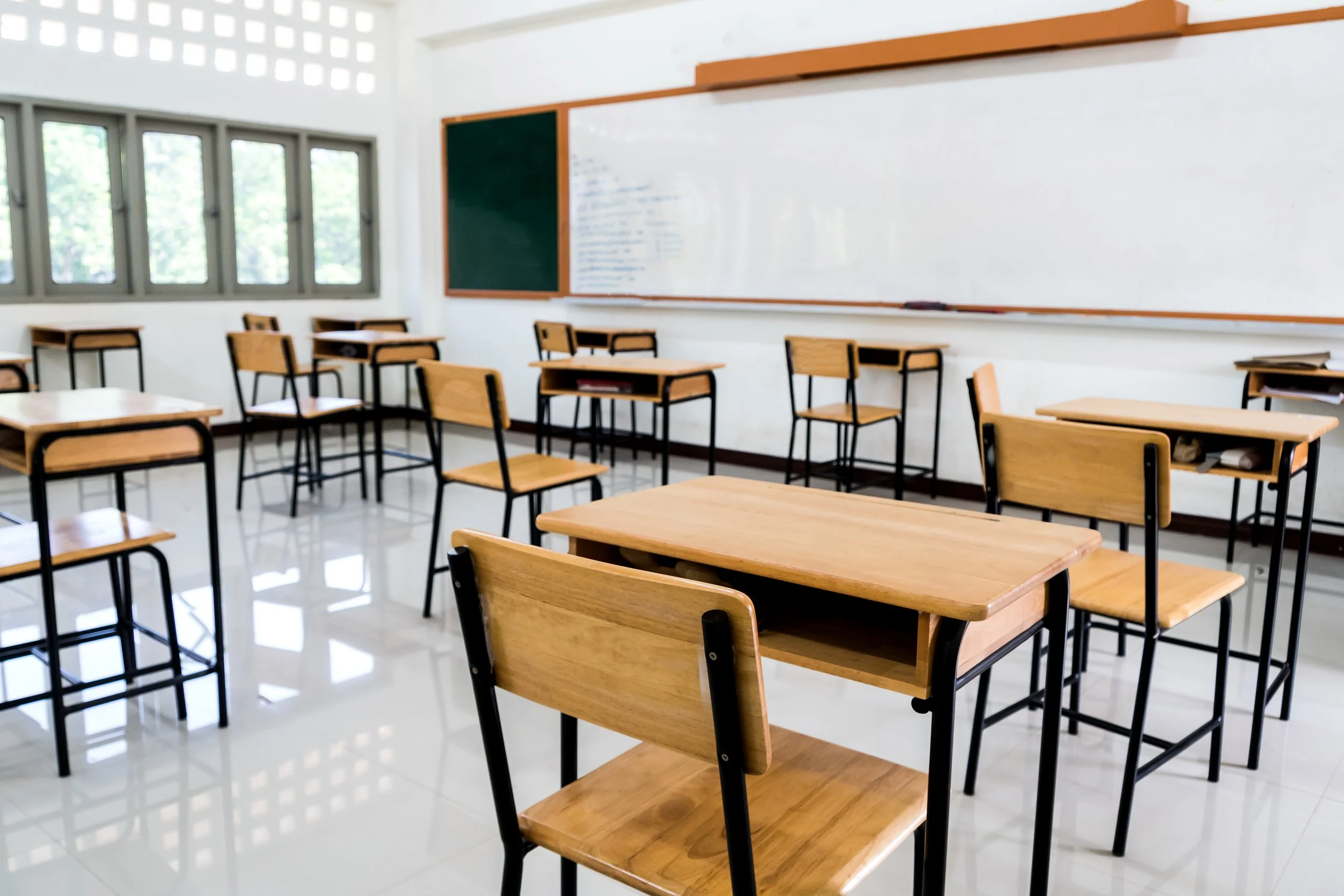
The move from Year 6 to high school is one of the biggest transitions children make during their school years.
Unlike moving between primary year levels, the step into high school changes how learning works day to day.
Students manage multiple teachers, new routines and greater independence all at once.
Because the transition is so significant, Year 6 becomes an important time to strengthen the foundations that make the start of Year 7 feel smoother.
How Learning Changes in High School
The learning pace increases
Primary classrooms naturally revisit skills. Teachers regularly begin a new study unit by revising earlier concepts.
High school assumes those foundations are already secure.
So if a child feels unsure about fractions, paragraph writing or reading instructions, those gaps become noticeable very quickly.
Students lose their single “home base” teacher
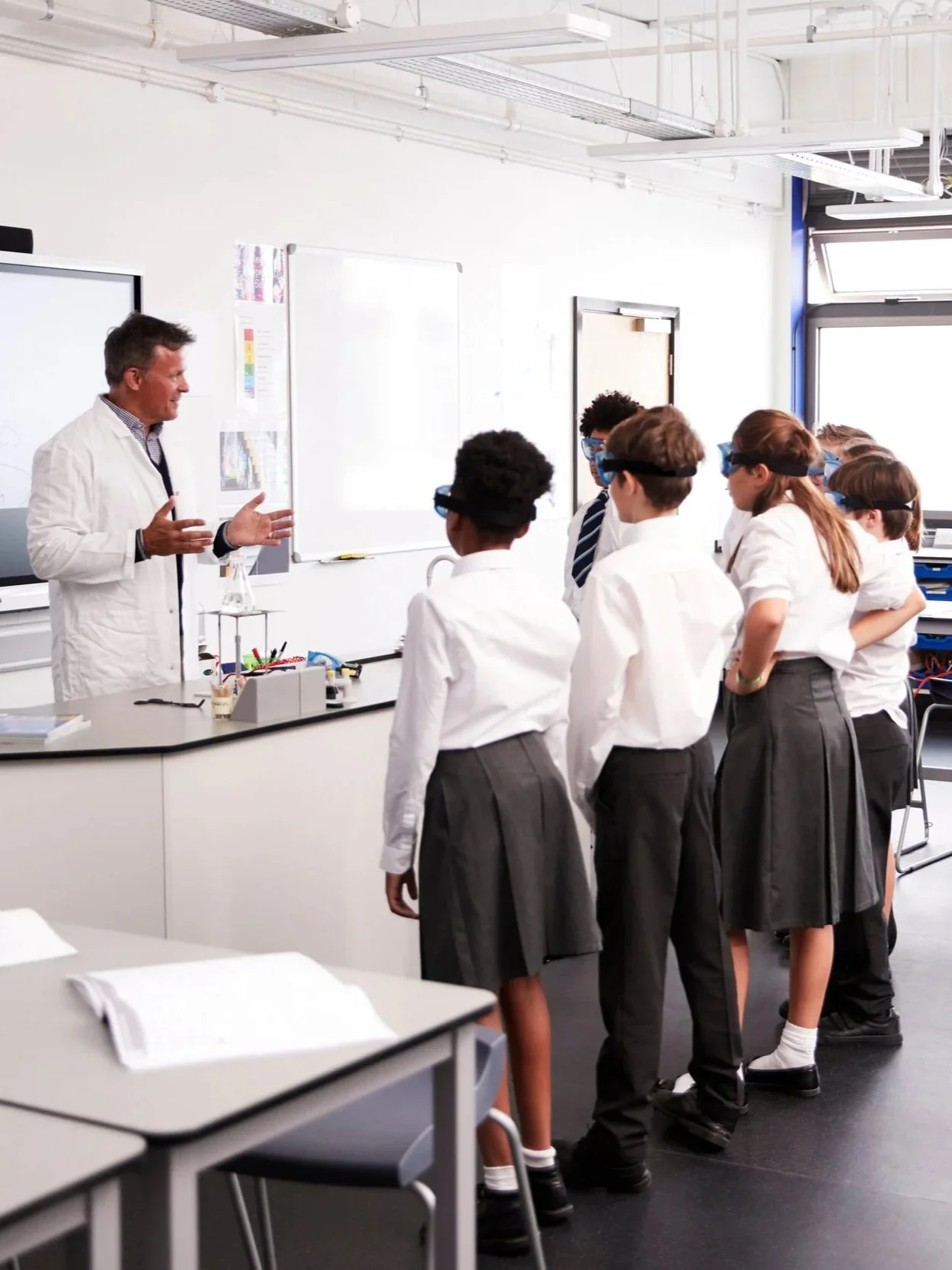
In primary school there is usually one main classroom teacher who keeps track of everything.
In high school students suddenly manage:
multiple teachers
multiple expectations
multiple classrooms
multiple deadlines.
That is a significant change in how learning feels day to day.
Organisation becomes a significant part of the workload
In primary school, teachers often help manage reminders, materials and due dates.
In high school, students begin coordinating these themselves:
timetables
subject materials
homework across classes
assessment schedules.
Learning how to stay organised becomes almost as important as understanding the work itself.
Why Maths and English Foundations Matter So Much Before High School
One of the most helpful things families can do during Year 6 is address any gaps in maths and English.
These two areas shape how students access learning across every subject.
In primary school, teachers often have time to revisit skills and provide extra support when something doesn’t stick the first time.
In high school, students are expected to read instructions independently, interpret questions accurately and apply maths skills with less step-by-step guidance. Gaps that weren’t closed in primary school quickly become noticeable.
Why maths gaps matter
Many of the skills students rely on in early secondary maths are introduced years earlier in primary school.
Multiplication facts, fractions and interpreting mathematical language continue to appear across new topics rather than being taught on their own. Instead of practising one skill at a time, students are often using several together while learning something new.
If these underlying skills are still developing, it becomes harder to focus on the new ideas being introduced.
Strengthening maths foundations during Year 6 makes the shift into secondary maths much smoother.
Why English skills affect every subject
In high school, reading and writing are part of every subject, not just English.
Students read longer instructions, interpret assessment questions carefully and explain their thinking in writing across multiple classes. Written responses become longer and more structured, and subject-specific vocabulary appears much more often.
These demands show up in science reports, humanities assignments and even maths problem solving.
When students can read confidently, organise their ideas clearly and express their thinking in writing, it becomes easier for them to show what they understand in every class.
Common Signs of Learning Gaps In Year 6
If your child has learning gaps, you might notice the signs at home or when talking to their teacher.
Some of the signs you might notice include:
avoiding reading or writing tasks
taking a long time to finish homework
struggling to explain their thinking in maths
relying heavily on parent help
losing confidence in a subject
saying things like “I’m just not good at this.”
Teachers might also mention things like:
needing more time to finish written work
finding multi-step maths challenging
difficulty working independently
hesitation when answering questions
inconsistent results across subjects.
These are common signs that some foundations are not yet secure.
Year 6 is an ideal time to address them. Strengthening maths and English foundations before high school makes it easier for students to keep pace with new expectations from the start.
Practical Ways Parents Can Support the Transition During Year 6

There are simple things families can do during Year 6 that make the move to high school smoother.
Strengthen organisation skills early
Encourage children to:
pack their own school bag each day
make their own lunch
keep their device charged and ready for school
remember regular weekly routines like library day or sport
use a planner or checklist.
These habits make the first term of high school much easier to manage.
Introduce a regular after-school study routine
High school brings more consistent homework and assignment work across subjects.
Establishing a short, predictable study time during Year 6 helps students adjust more easily when expectations increase. This time can include:
completing any homework that has been set
independent reading
using educational apps for spelling or maths practice
organising what they need for the next day.
The goal is not to increase workload. It’s to make independent study feel like a normal part of the school week before Year 7 begins.
Talk through what will change in high school
Many students are unsure what to expect from the move to secondary school.
Simple conversations about moving between classrooms, managing different teachers and keeping track of a timetable can make the transition feel more predictable and easier to handle.
Schools support this process through orientation days, transition visits and information sessions. Talking together about what your child notices during these experiences can make the first weeks of Year 7 feel much more familiar.
A Strong Start Makes the Whole Transition Easier
Children do not need to enter high school perfectly prepared.
What helps most is having secure foundations in maths and English, some experience managing their own routines and a clearer sense of what to expect from the change ahead.
With those pieces in place, the move to Year 7 will feel far more manageable.
If closing gaps in maths or English has been on your mind, Year 6 is the perfect time to strengthen those skills before the high school transition begins. Book your free consultation call today with one of our experienced tutors and find out how one-on-one support can help them get ready for high school.